
Automating Personal Finances with AI and Rules-Based Systems
compare AI-driven automation with traditional rule-based tools for bill payments, savings, and alerts.
compare AI-driven automation with traditional rule-based tools for bill payments, savings, and alerts.
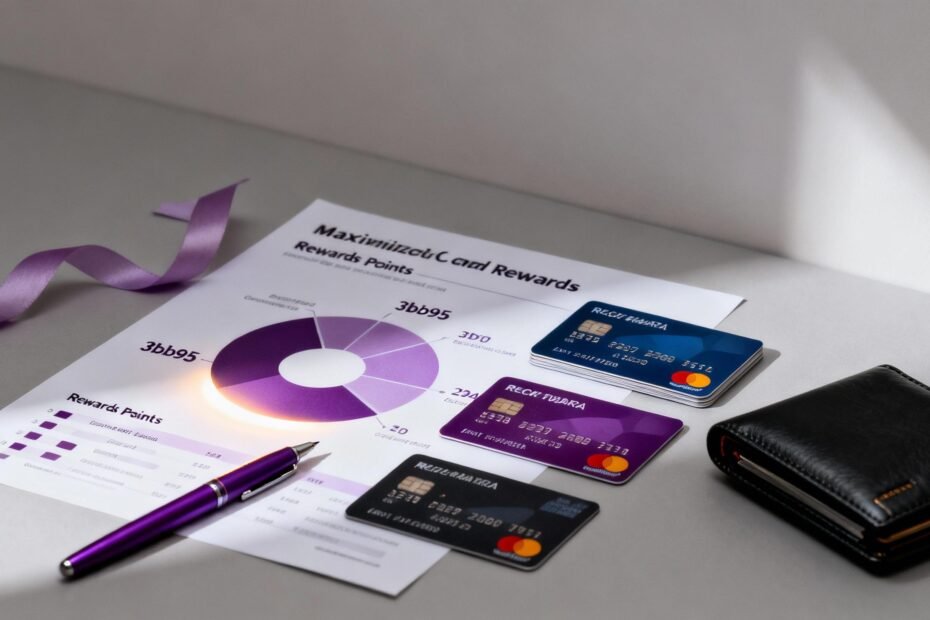
explain strategies to earn rewards responsibly, avoiding traps that increase debt or distort consumption.

how AI tools support—not replace—human judgment in budgeting, investing, and expense prioritization.

Analyze how wallets, cards, instant payments, and cash coexist, including security, costs, and adoption trends.

break down compounding interest, hidden fees, and long-term debt impact using clear numerical examples.

introduce how predictive models estimate future income and expenses, improving short-term and medium-term planning.

provide frameworks, tools, and rules for handling limits, due dates, and rewards across multiple cards efficiently.
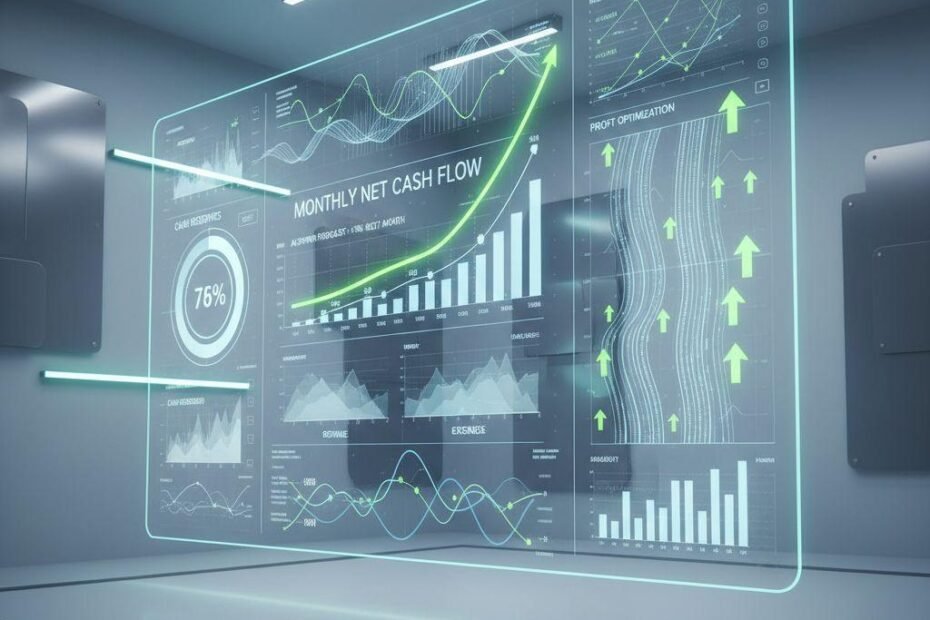
explore how AI-driven tools analyze income and expenses, forecast shortfalls, and suggest adjustments to improve liquidity.

explain how AI is used in budgeting, credit scoring, fraud detection, and financial recommendations, with practical examples and limitations.

explore realistic AI applications—forecasting, adaptive control, anomaly detection—without overhyping the technology.