
Home Solar Energy Automation Software: How to Choose
compare software platforms for managing residential solar systems, focusing on features such as forecasting, battery control, load prioritization, and usability
compare software platforms for managing residential solar systems, focusing on features such as forecasting, battery control, load prioritization, and usability

cover smart meters, dashboards, analytics, and alerts, explaining how real-time monitoring enables better decisions and faster identification of waste.
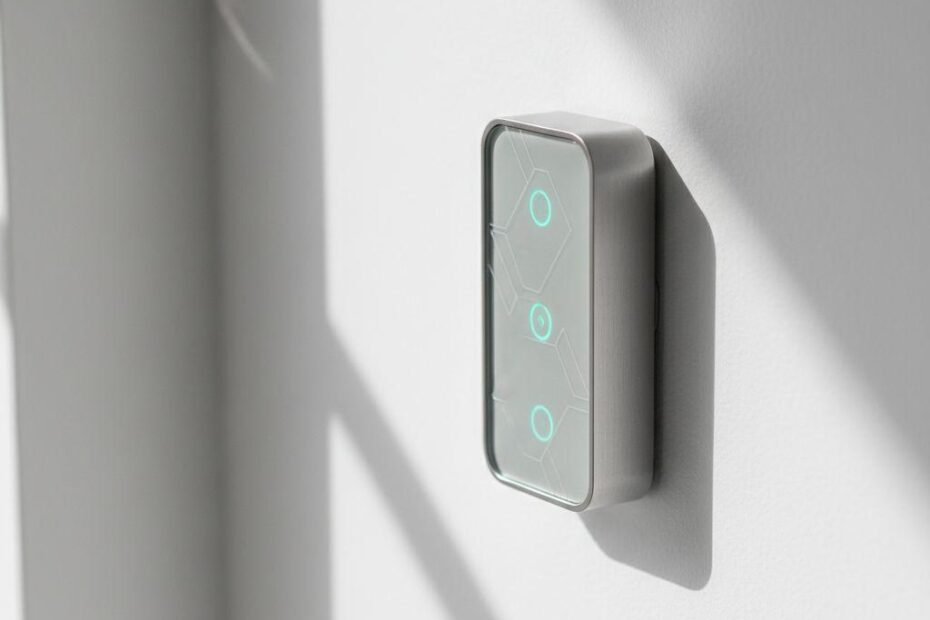
explain how presence and occupancy sensors work, how they integrate with cloud or local systems, and how they improve automation efficiency and energy savings.

emphasize ongoing optimization—monitoring data, adjusting automation rules, and refining usage patterns—to maximize efficiency and long-term sustainability.

combine automation strategies with financial logic, showing how specific smart home solutions directly reduce energy bills and operational costs.

how to evaluate credit cards for international use, focusing on foreign transaction fees, exchange rates, travel benefits, and cost transparency.
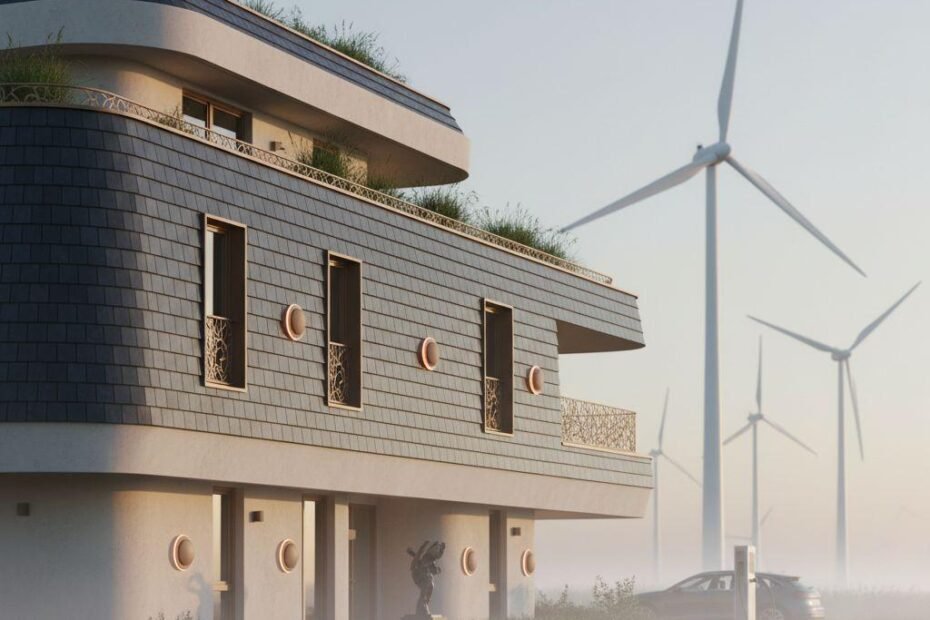
current and emerging trends—such as Matter, AI-driven energy management, and integration with renewables—highlighting practical solutions already available.
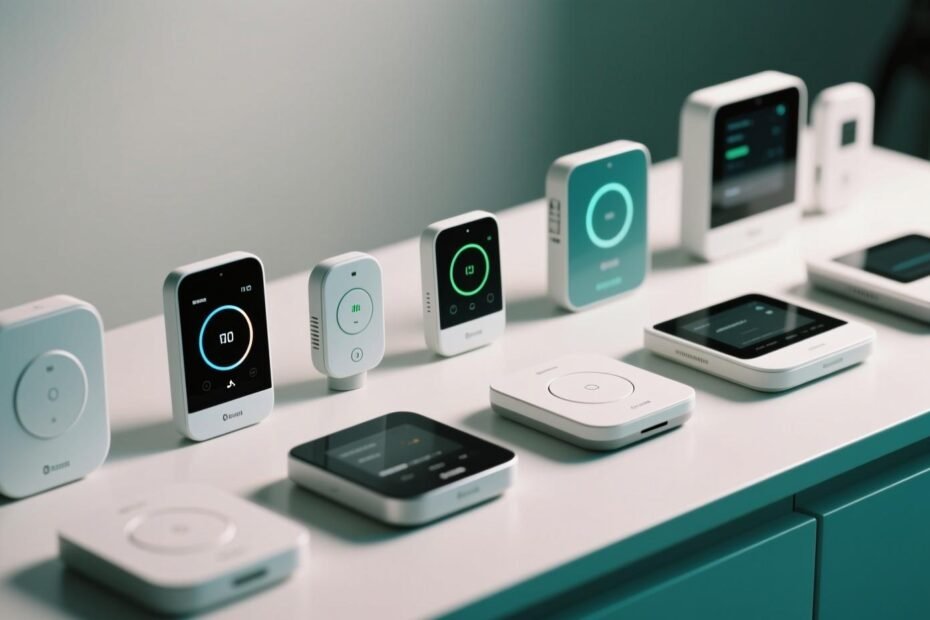
key hardware and software tools for building a sustainable smart home, including controllers, sensors, monitoring platforms, and energy management systems.

Focus on using smart bulbs, sensors, and automation scenarios to reduce energy consumption while improving comfort, lighting quality, and usability.

demystify smart homes, showing how modern protocols, modular design, and scalable architectures enable sustainable automation even in complex environments.