
Open Protocols vs Proprietary Systems in Smart Homes
compare open and closed ecosystems, discussing long-term costs, scalability, sustainability, and risk of vendor lock-in.
compare open and closed ecosystems, discussing long-term costs, scalability, sustainability, and risk of vendor lock-in.
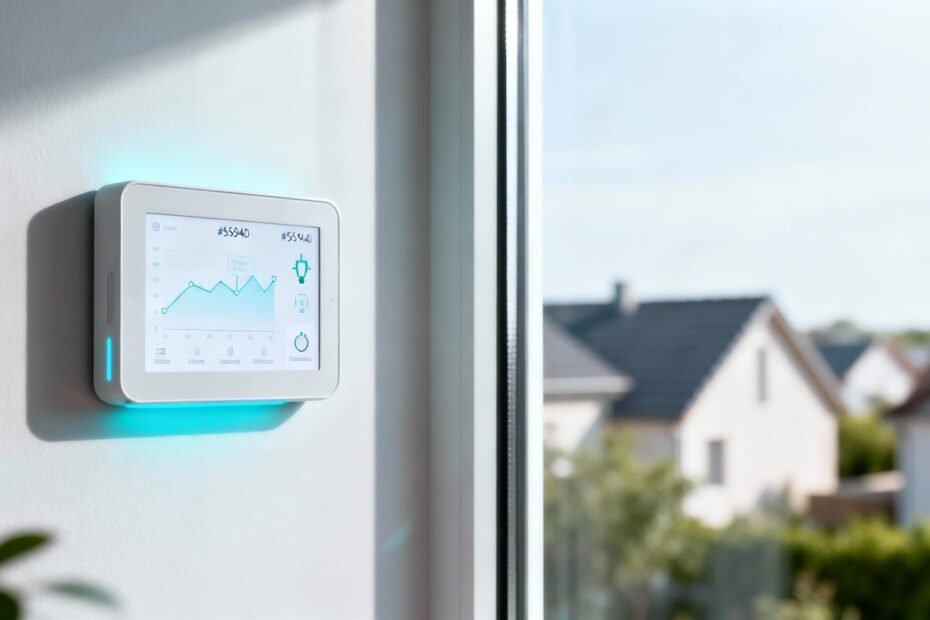
explore strategies to shift or reduce peak loads using automation, highlighting financial benefits under time-of-use or dynamic tariffs.

explain how HEMS work, key components, and how homeowners can use them to control consumption, generation, and storage.
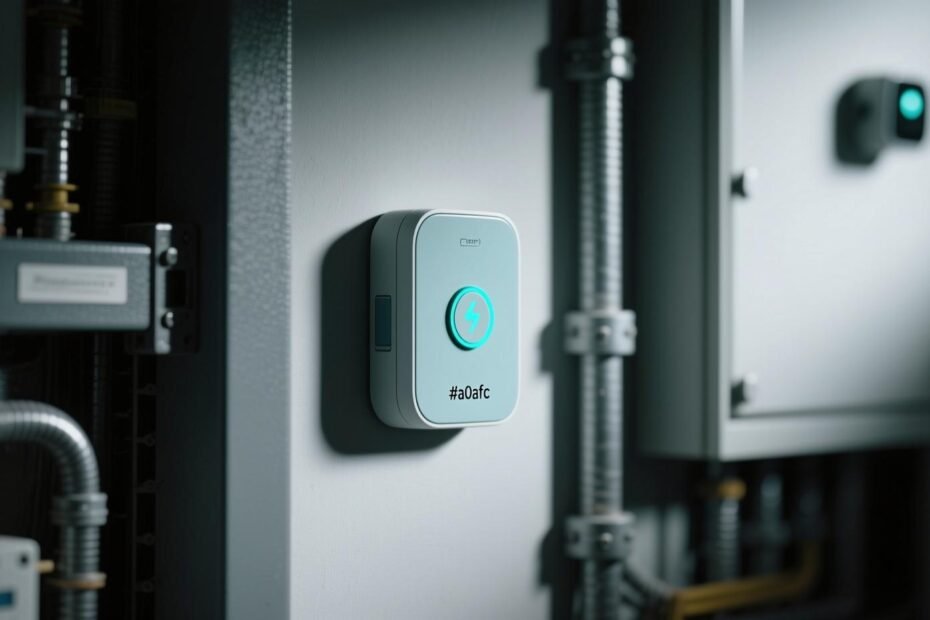
separate marketing claims from real-world results, focusing on sensors that demonstrably reduce consumption and improve automation efficiency.

introduce foundational concepts, helping beginners understand priorities, quick wins, and common mistakes when building an energy-efficient smart home.

clearly outline the financial risks of high-interest cards, including compounding debt, hidden costs, and strategies to avoid or replace them.

explain the advantages of no-fee cards, potential trade-offs, and how to select one based on spending profile, rewards, and financial discipline.

review mobile apps for smart home control, highlighting usability, reliability, remote access, and how apps simplify day-to-day automation management.

compare software platforms for managing residential solar systems, focusing on features such as forecasting, battery control, load prioritization, and usability

cover smart meters, dashboards, analytics, and alerts, explaining how real-time monitoring enables better decisions and faster identification of waste.